

If you've visited Shanghai in recent years, you may have witnessed the peak of the city’s hipster central Anfu Road. Fashionistas, influencers, and tourists flocked to the area, filling boutique lifestyle stores, coffee shops, and domestic youth-centric brands. Local residents jokingly called it the "center of the universe" and often sneered at the heavy weekend traffic.
Now? The area remains bustling, but with some recent departures over the last few months, the new shops have taken on a more wanghong feel, and their presence is more fleeting. Recently departed names include the coffee brand Saturnbird, The Beast (a lifestyle store that began as a direct-to-consumer florist), Shanghai fashion group ZucZug’s curated fashion store In the Park, and curated designer furniture stores Casa Casa and Cabana. These brands once showcased the best of what Chinese creativity and design could offer.
The changing landscape on Anfu Road reflects a broader narrative in China’s consumer market: how capital-fueled brands initially attracts both online and offline traffic, only to turn these spaces into mere showrooms for consumers with short attention spans. Part of this shift is due to stagnated economic growth — last week, investment banks cut China’s growth forecast of 5% in 2024 to 4.7-4.9% — there’s no deny in that. But another part lies in how businesses are struggling to navigate waning consumer confidence while striving to stay relevant, and I want to focus on the latter in this article.
Stores close for different reasons, and while the economic downturn may be the common denominator, it's crucial to examine the behind-the-scenes beyond that. Here are a few reasons I’m going to discuss today:
The hot money era is over
Better return-of-investment for online channels/better location elsewhere
The rise of non-standard retail model
1. The hot money era is over
From early to late 2010s, China saw an unprecedented era of consumer brand growth, often referred to as the “consumption upgrade”. This era was built on the foundations laid during the ’90s and ’00s, where China’s economy grew at double-digit and high single-digit rates, human-level exchange flourished in tourism, academia and business; foreign direct investment kept rising. Combined with a series of landmark events — including China joining the WTO, the 2008 Beijing Olympics, and 2010 Shanghai Expo — China’s profile and global image reached its peak.
In 2000s, the new lifestyle brands were largely the brainchild of expats seeking to replicate their home-country experiences in China. However, 2010s became the golden era for consumer-facing startups led by native Chinese founders. With the influx of venture capital, these founders, often with high-brow backgrounds (a combination of Big Tech and multinational corporations experiences) can establish an outsized presence for their ideas.
A prime example is Chinese beauty brand Perfect Diary, which had a strong momentum at the get go in 2017 and became the top DTC brand in sales on Tmall in 2019. A few months before Covid hit China in early 2020, it announced the plan to open 600 stores by the end of 2022. Its parent company, Yatsen Global (NYSE: YSG), went public in late 2020, providing a substantial cash-out for both Chinese and American investors including Tiger Global Management and Hillhouse Investment. It has been facing delisting risk for low trading price since 2022. By the end of 2023, Yatsen Global operated a total of 114 stores across all brands, and the ambitious expansion plan never materialized.
A big factor in YSG and some of the above brands (e.g. Cabana) losing momentum is the decoupling of China-US capital markets. Money doesn’t flow from U.S. anymore partially because Chinese companies are increasingly scrutinized under regulators and politicians, causing roadblocks for cash-outs. Funding rounds with involvement of US venture capital totaled $3.93 billion in 2023, down 52% from $8.26 billion 2022, and was the lowest in a decade, according to S&P Global Market Intelligence.

From selling ideas to spending money, the VC-fueled consumer startups realized that they must prioritize profitability, which is what they should’ve done all along.
There are still many domestic start-ups I appreciate but they have not gone down the route, which may be intentional or due to the dried up VC pool: clean beauty brand Sober Beauty, running gear brand Nedao, cycling gear brand Neza Cycling, domestic perfume brand East Beast, etc. I argue that it’s healthy for the market in the long term.
2. Better ROI for online channels/better location elsewhere
China’s digital e-commerce experience is among the most advanced in the world. This isn't just about fast delivery but also about features like seven-day returns, with postage fees covered by the brands. When combining convenience with limited environmental consciousness, mass consumers feel less burdened to shop online. This, in turn, causes offline stores to increasingly serve as showrooms rather than places where actual sales occur.
To attract foot traffic, brands need to provide compelling reasons for customers to visit, such as pop-up events or influencer appearances. The Beast’s Anfu Road flagship was known to change its display and decor every month, which was beloved by passersby and those who loved to look and take pictures. However, this adds to the running costs, especially with rising rents and human capital expenses. Much like the dating game, when the culture encourages people to have fleeting attention, building genuine connection becomes secondary.
For brands looking to shorten the consideration period in the customer journey, online channels in China are the most effective. It doesn’t apply to all consumers and all price points, but many times, from awareness to familiarity, consideration, and finally purchase, this entire cycle can be completed online within minutes, rather than the weeks or months it might take offline.
Back on Anfu Road, store closures don’t necessarily mean a brand is gone for good. Often, the closures signify a strategic reorientation for them to be present in a more suitable location.
While some brands, like the designer furniture darling Cabana, have disappeared permanently, others like Casa Casa have reopened in a bigger space and on a quieter street (below). The Beast also used its store closure announcement to promote a new store on the Bund. These moves reflect a shift toward finding locations that better align with their target audience and original vision — something that is ultimately beneficial.
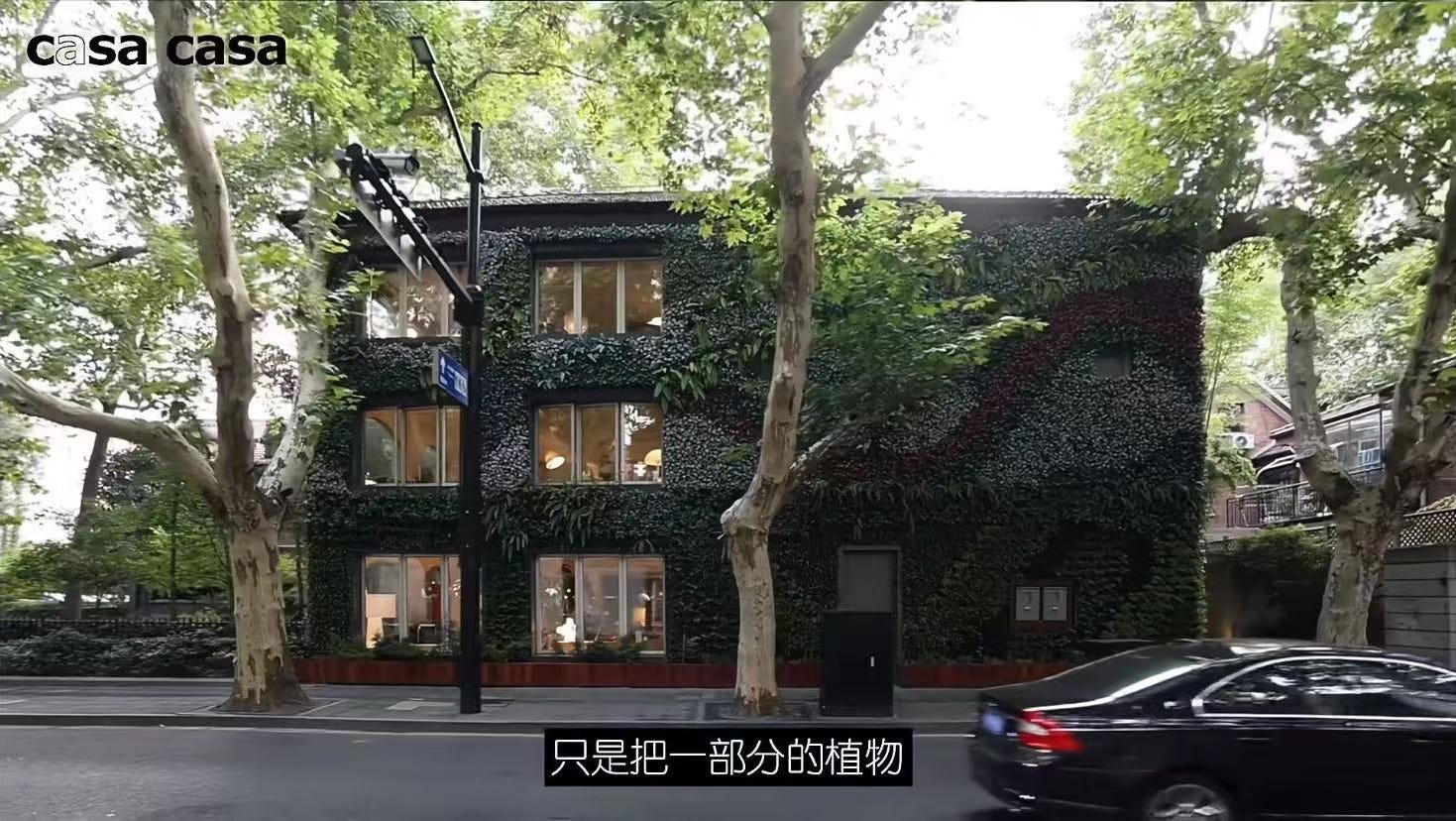
3. The rise of non-standard retail model
These days, we are seeing a growing trend of so-called ‘non-standard’ (非标) malls and retail models in China. The reason is clear: people are tired of traditional malls that offer little more than shopping, dining, and workspaces. By China’s standard, malls like Westfield and Selfridges feel outdated, even NYC’s Hudson Yards seems very... 2015 (it opened in 2019).
The popularity of ‘non-standard’ model threatens traditional malls and shops, as consumers expect to not just make purchases, but to be wow-ed, entertained and emotionally stimulated.
One can see that the latest high-profile retail establishments, including Hai550 in Shanghai (an eight-story complex that integrates retail, fashion, art, and sustainability elements) and CyPARK (the first cycling-themed commercial space in the city) in Chengdu, both have captured the essence of being ‘non-standard’. These spaces offer customers an immersive experience of an aspirational lifestyle, with shopping being just one small part of it.
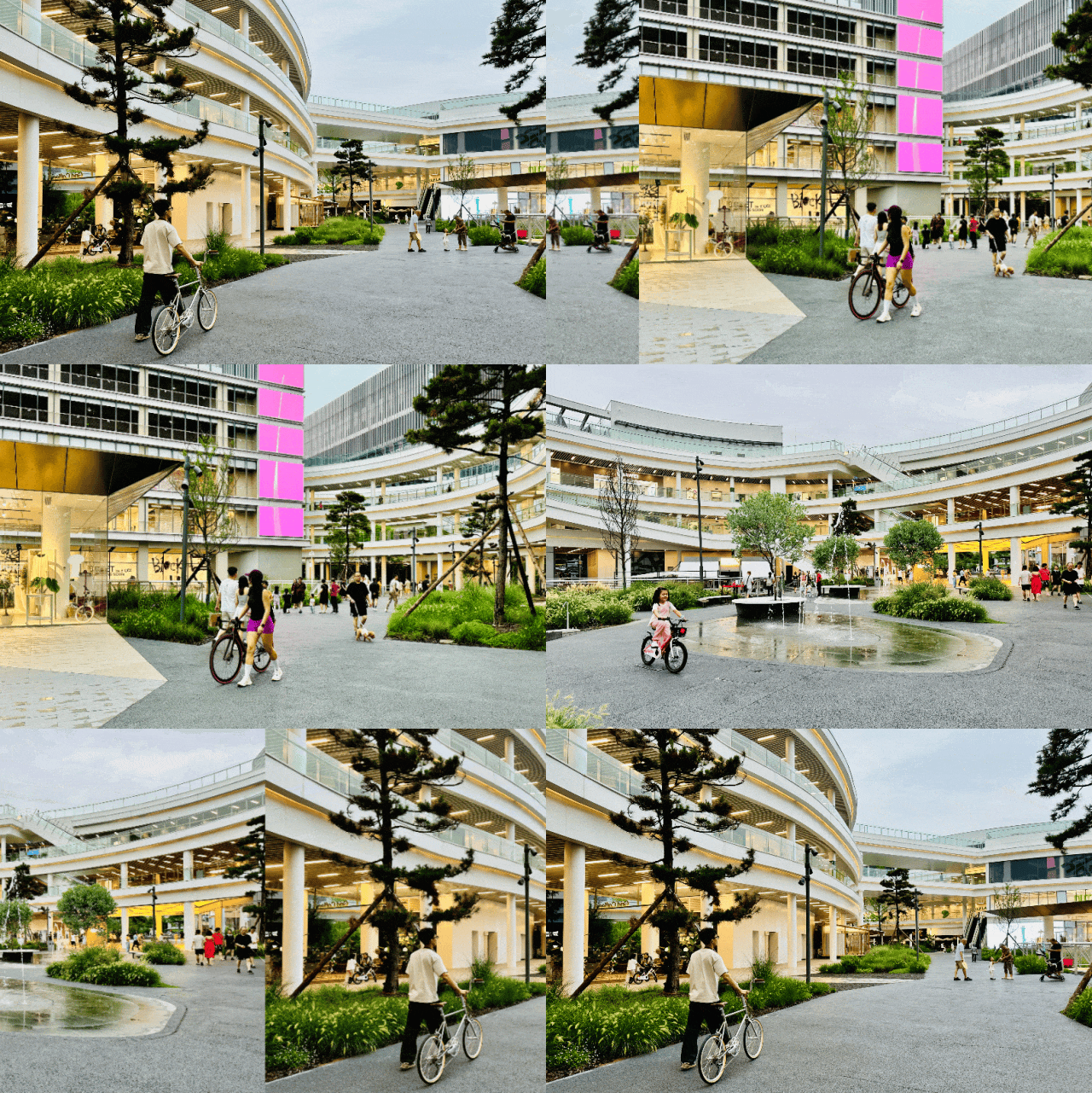
Previously, Parkview Green/Fangcaodi in Beijing (est. 2012), K11 in Shanghai (est. 2013) set the standard for “art malls”, seamlessly blending art installations and shopping. Over the years, inspired by brands like South Korean eyewear Gentle Monster and Shanghai’s TX Huaihai, commercial retail developers across the country have doubled down on this concept, adding new elements like sustainability, active lifestyle and slow pop-ups to keep the experience fresh and engaging.
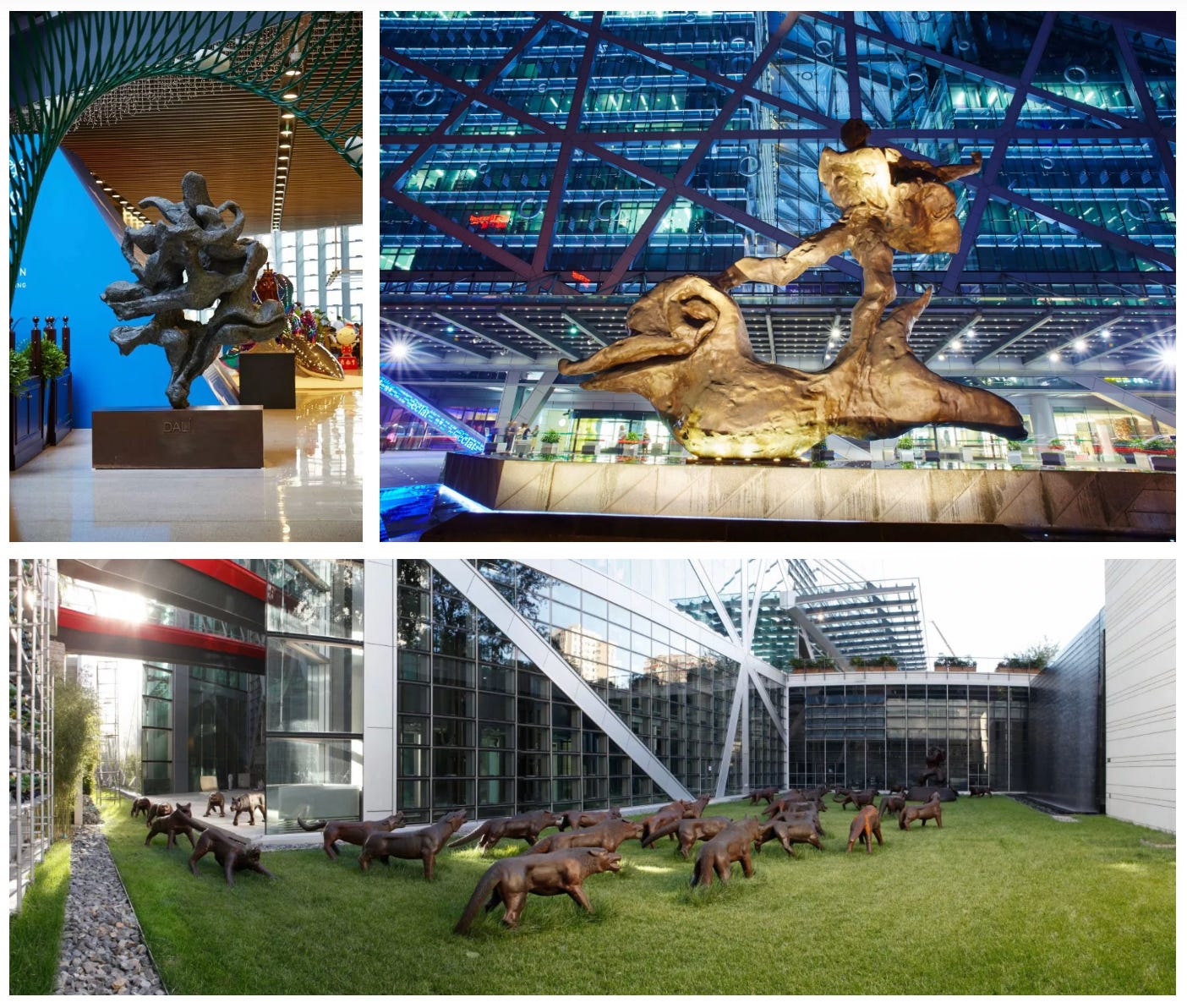
However, winning traffic does not into a solid ROI; the effectiveness of such ‘non-standard’ concept in a stagnate economy has yet to be fully tested. One likely outcome is that consumers may enjoy going for the experience, but are not inclined to make purchases.
Final words: This note is not a reflection of doom and gloom for China, nor is it representative of the entire country. Instead, it marks the beginning of a paradigm shift in China’s retail landscape, one that’s (unsustainably) driven by online traffic and pushed by rising marketing cost and the slowed economy.
As always, I’m curious to hear your thoughts! 🔚
LOVE your analysis and writing👍.
Japan TOO, evolved in early 90’s from “luxury boom” to current steady-state “rational consumption”.
China going through similar but at “Chinese speed & form”. Occasionally, Japanese consumers today still splurge for dose of “petite luxury”, so for sure “petite luxury” will start showing up in China TOO.
Very nice article. Thank you. Just one question: Is this really something new? When I moved to Beijing in 2016, and even before that when I was occasionally visiting China, I always had one question. These beautiful, shiny malls with all the stores—why are the stores always empty, while the restaurants are packed most of the time? I always wondered how they could make money renting such expensive, shiny spaces. But then friends told me these stores are essentially showrooms, almost like storage spaces, and they are actually running their online businesses out of these malls. So I feel like this has been happening in China for at least almost 10 years.