Hi everyone, long time no chat! After having spent Chinese New Year at home, I then stopped by in Hangzhou, Shanghai and lastly, Hong Kong. Sorry that I missed some of you.
While in Hangzhou, I stumbled upon a lighting show on Binjiang (similar to Shanghai’s bund) featuring Unitree’s dancing robots in the classic dongbei flower jacket, for which the startup is filing for a logo. The city took pride in being the birthplace of Unitree and DeepSeek, whose founders attended the Feb 17 private business symposium chaired by Xi Jinping along with the likes of Alibaba and Meituan.
After hearing that a friend lives close to Hong Kong Kai Tak Sports Park, I started noticing content about it everywhere — probably a classic case of the Baader–Meinhof phenomenon. With its grand opening in less than two weeks, expectations are running high from the HK SAR government and its people.
Meanwhile, the global success of Ne Zha 2 and Thailand-China’s evolving dynamic had me thinking about the stark contract in public discourse between China and the West.
Let’s kickoff with…
The world’s 2nd most-expensive stadium
On March 1, the 28-hectare Kai Tak Sports Park will officially open on the site of the old Hong Kong International Airport. With a price tag of HKD 30 billion, it is the world’s second most expensive stadium, trailing the 70,000-seat SoFi Stadium in LA. Its debut carries Hong Kong’s high expectations of boosting its economy through mega events.
The complex includes a 50,000-seat Main Stadium, a 10,000-seat Indoor Sports Center, a 5,000-seat Public Sports Ground, along with shopping and dining destinations. Initially led by Adrian Cheng, the third-generation heir of developer New World Development who stepped down from his CEO role in Sep. 2024. The project was sold to Cheng family’s Chow Tai Fook Enterprises in late Nov. 2024.
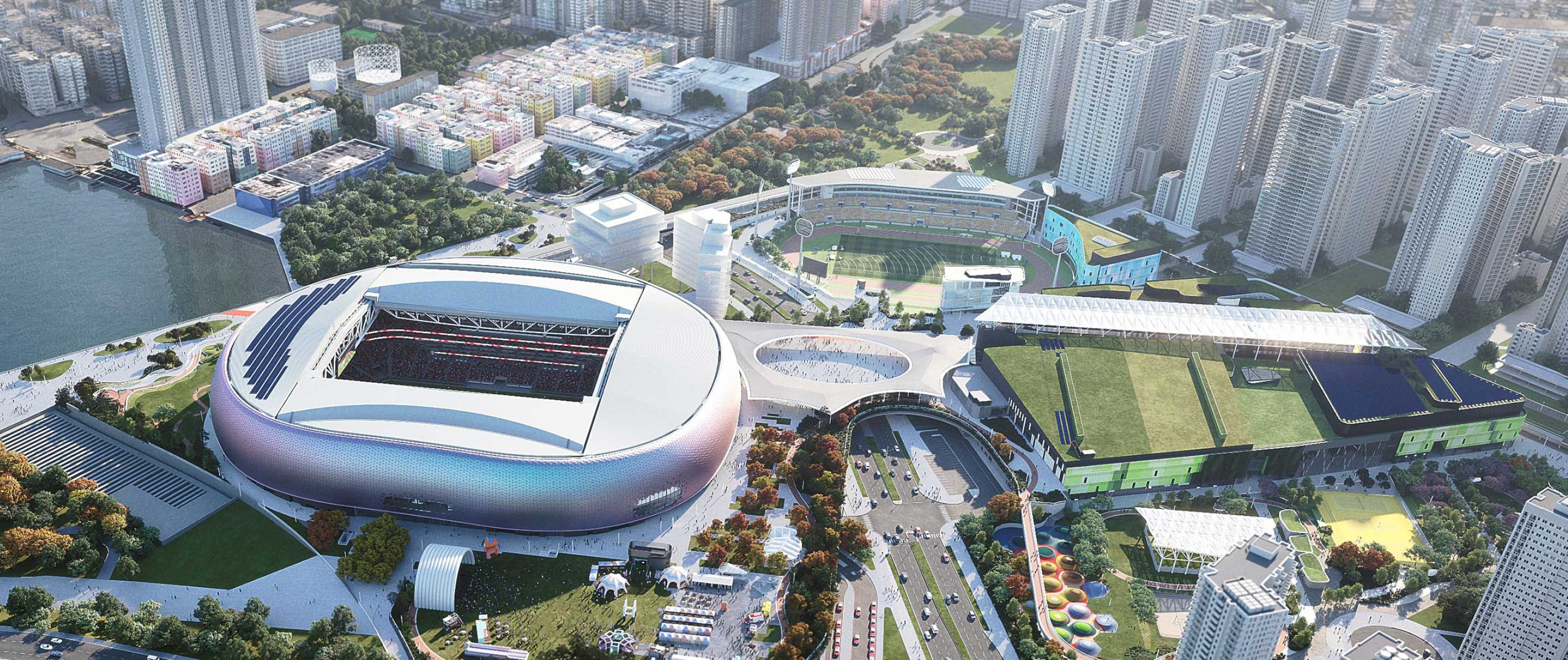
One of the key discussions surrounding the sports park is the positioning of the 50,000-seat stadium when compared to the 40,000-seat Hong Kong Stadium that hosted Lionel Messi’s friendly in 2024. “The latter has already struggled with low utilization, so adding another large venue raises concerns about redundancy,” said HK-based analyst Yuhao Yang.
Mainland trade media Sports Business also pointed out that the 10,000-seat Indoor Sports Center may be too small to attract top-tier competitions like the NBA, UFC, WWE, ATP, or WTA, which typically require larger venues.
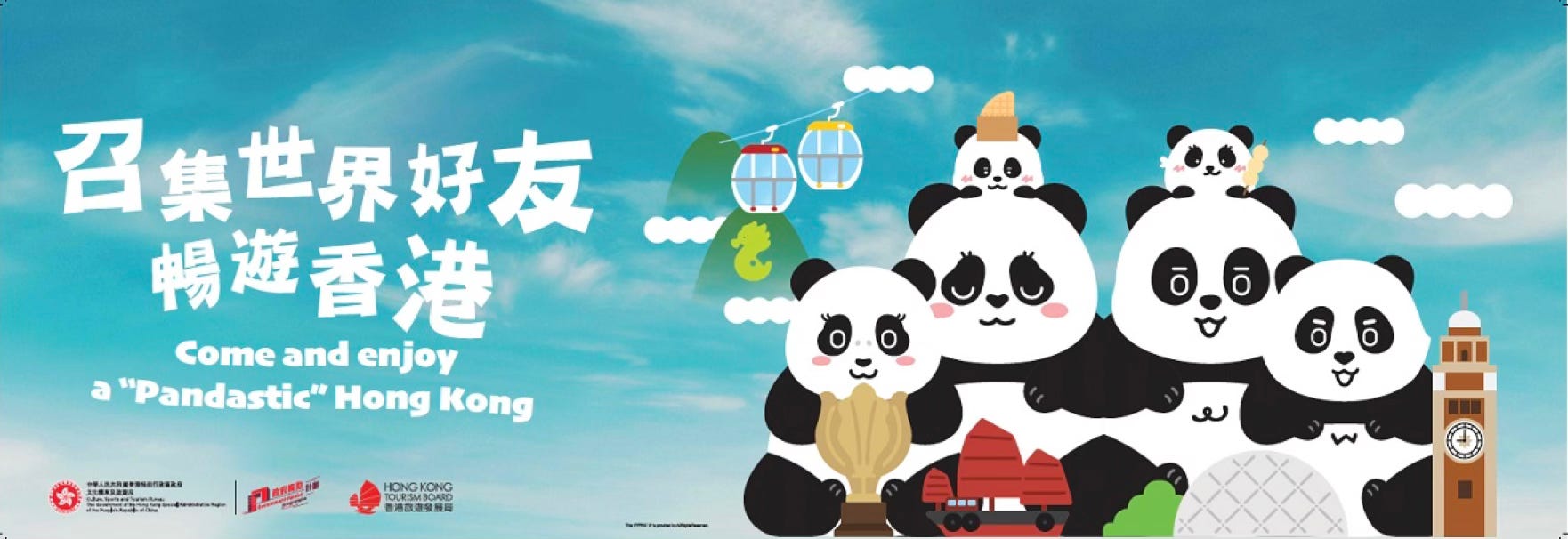
The previous Secretary for Culture, Sports, and Tourism, Kevin Yeung, faced heavy criticism for prioritizing ineffective tourism-driving initiatives, Yang added. That included but are not limited to “Night Vibes Hong Kong”, giant panda promotional activities, and fireworks and drone shows on Victoria Harbor every month. In Dec. 2024, he was replaced by Rosanna Law, who enjoys a positive public reputation and appears to have an appreciation for concerts. The very first concert Kai Tak is going to host is Coldplay’s world tour in April.
[💸By the way, if you’re a brand and want to explore sponsorship of a sporting event. I can share details of men's tennis tournament Hangzhou Open’s package. Please reply directly with your title and thoughts if interested.]
The world’s highest-grossing animated film
One of you once told me that Chinese people’s favorite sport is food and real estate, which I completely agree with, though I’d add a third recently: watching Ne Zha 2 climbing up the chart of global box office. (There are even live-streams tracking its performance on RedNote.)
An animated fantasy adventure film based on Ming-dynasty novel The Investiture of the Gods, Ne Zha 2 has now beaten the likes of Inside Out, Toy Story, Frozen IPs and topped the global box office with $1.69 billion revenue. Meanwhile, film analytics platform Dengta predicted that Captain America 4 could only grab 200 million RMB (~$27 million) in China.


On the surface, it’s easy to interpret it as another product of China’s national pride. But its triumph, at least the initial buzz, has more to do with the idealistic and visionary creator, like that of Deepseek. Before Beijing Enlighten Media sought out directors, they desired someone who was “poor but consistent”. The implied message is that the director must be fully committed to creativity, and does not sway for money.
That’s where Jiaozi came in — a medical school graduate whose self-taught skills won him 17 international awards with his first anti-war short film See Through in 2000s. While making the short film, he lived with his mom on her 1,000-RMB monthly pension for three years. “I can’t even pretend I wasn’t poor,” Jiaozi said in a now viral 2019 interview at Ne Zha 1’s screening.
Back to Ne Zha 2 itself, as one of the audience members, I believe that the merchandize is disappointedly under-developed, perhaps because the film’s success has caught brands off guard. There are only a few toy companies (incl. Pop Mart) that come up with figurines for main characters, whereas the most creative integration are found in less expected sectors. For example, Chengdu hotpot chain Da Long Yi (大龙燚) incorporated lotus roots, beef in the shape of a dragon, prawn which are all seen in the Ne Zha film, with their dishes. Children’s dental care brand Mompick fittingly had an officially collab with the film, with Ne Zha showcasing his wonky but healthy teeth on the packaging.


So, what does Ne Zha 2’s success mean? Have the Chinese consumers outgrown Western movies and IPs? Despite the phenomenal success and proven potential, both production and the commercialization aspect of Chinese animated films have a long way to go. But it’d be a mistake to dismiss this success as mere nationalism.
Thailand-China “situationship”
The return of HBO Max’s White Lotus S3 this week has fueled a Thailand tourism boom. That’s happening as the destination becomes demonized in China following the abduction of actor Wang Xing by a scam gang in the region.


In a world seemingly separate from the glitzy scenes of Four Seasons in the hit show, hundreds of thousands victims from across ASEAN “have been subjected to torture and cruel, inhuman and degrading treatment or punishment, arbitrary detention, sexual violence, forced labour, and other human rights abuses,” according to a 2023 UN Human Rights Office report. Mainstream view in China believes that many scam gangs are run by Chinese and designed for the Chinese.
In China, the public has largely focused on this darker side of South East Asia, especially after Wang Xing’s high-profile rescue following his girlfriend’s viral plea for help online. Shortly after, HK singer Eason Chan’s sold-out concert was canceled over ‘safety issues’. The stigma, which peaked recently, has been lurking and growing for a few years, with crime reports, fear-mongering social media content and rumors fueling it.
Thailand was in a honey moon phase with China in early 2010s — thanks to films like Lost in Thailand (2012) and the comedy-drama Detective Chinatown (2017) — and recently, it has become a favorite of Chinese digital nomads due to the visa waiver for Chinese nationals and low living cost. With the public image flipped, some netizens even blamed the 2012 film director Xu Zheng for promoting Thailand tourism.
Tourism has traditionally been the bond between these two countries, now, what would it take to amend the relationship? Are Chinese tourists seen more as trouble these days? 🔚
You can still sign up to the free event happening tomorrow at LSE: