Opposite to common belief, Chinese people don’t care much about politics unless it’s directly threatening their livelihood or everyday life (think zero-Covid), so they have no good reason to care about the ‘Two Sessions’ that’s jamming up every China watcher’s timeline, or post a nerdy thread as I did below.

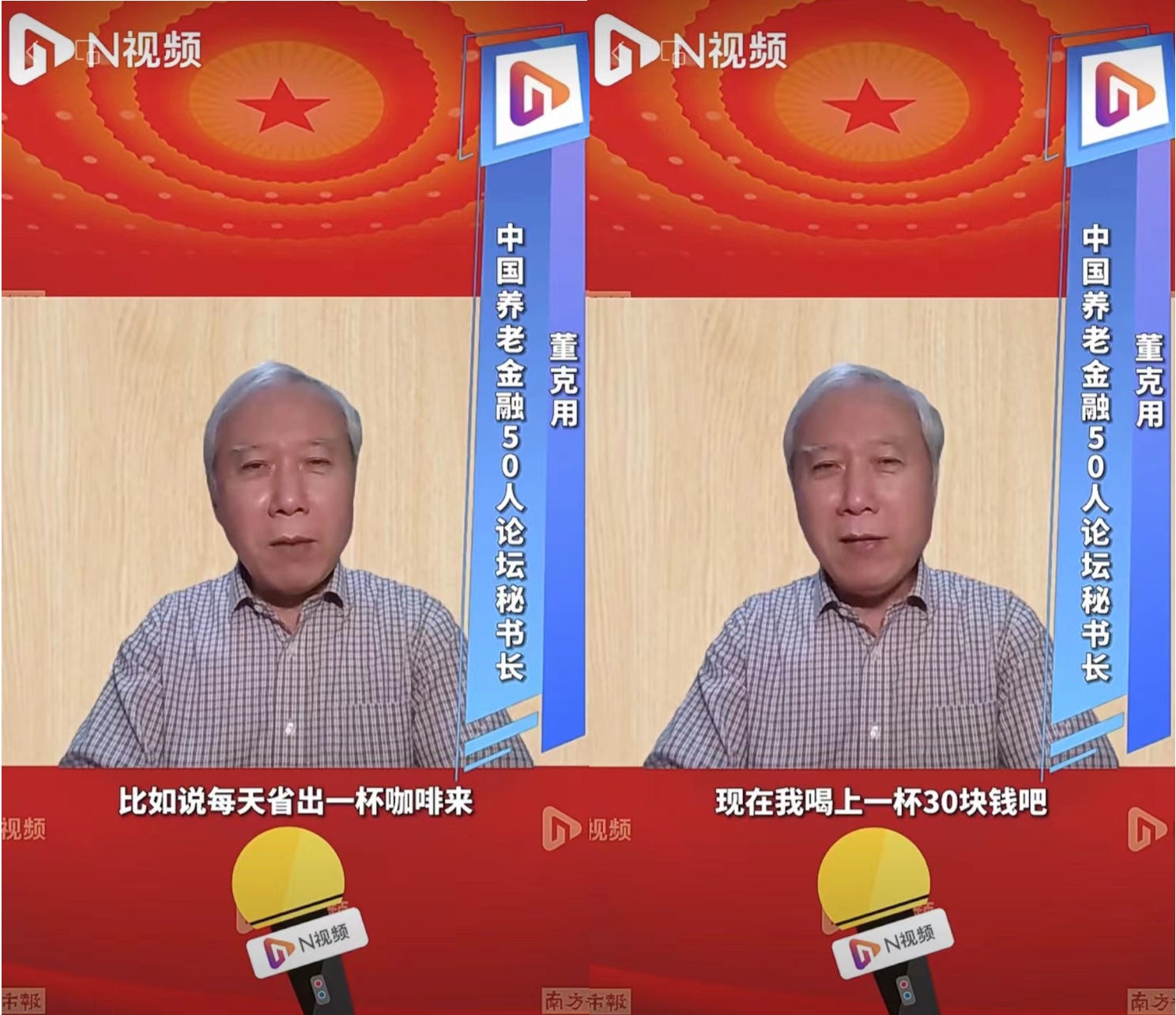
They only want to jump in when experts make a ridiculous proposal or statement. Case in point, when Dong Keyong, some expert with white hair, said young people should cut spending on coffee to save up for their pension (that sounds familiar 🤔 to the no avocado toast ‘tip’ in 2017), it went viral immediately and everyone’s like: shut up expert!
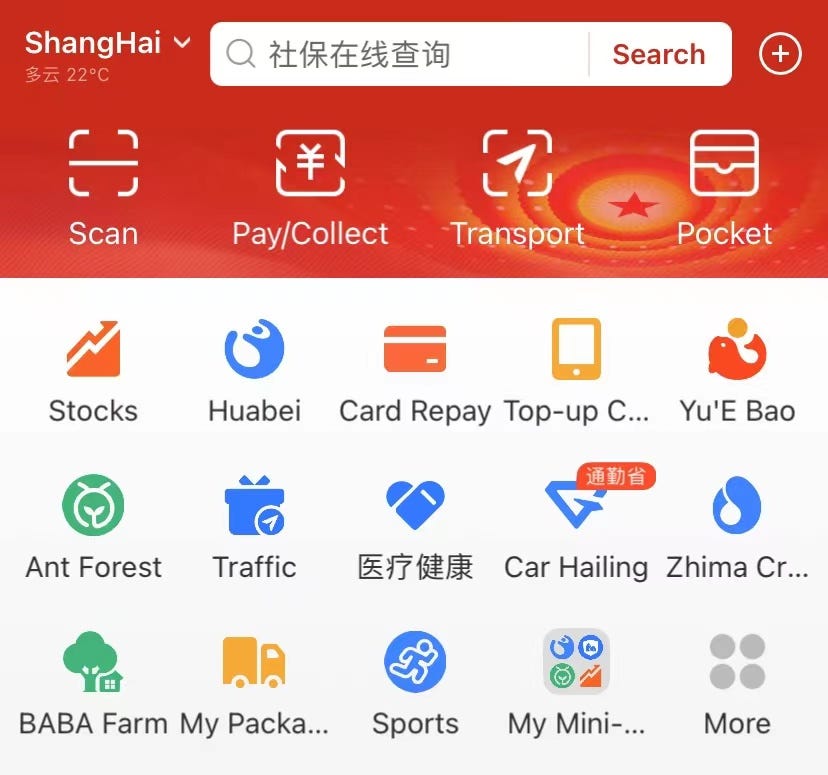
Anyways, when someone who works at my gym asked, “Is ‘Two Sessions’ happening?” I gave him a look that’s usually reserved for mansplainers. But what he said afterward piqued my interest, “My Alipay landing page turned into the dome of the People’s Great Hall, so I guess some political event is happening.”
In fact, that seems to be the tradition in recent years for not only AliPay, but all major social media apps including Weibo, Xiaohongshu (!) and WeChat to pay tribute to the Party, especially on occasions like the country’s national day. I suppose this is how China keeps tabs on people’s minds in the digital era.
1. EV darling NIO's messy PR 😶🌫️
A former female intern of NIO recently accused the company of discriminatory practices as a hiring manager called her a “risk” that could “harm the corporate image” months after she reported her male colleague’s attempted rape. She did not get a full-time position after her internship ended.
First surfaced on Xiaohongshu, the woman’s post was quickly picked up by the media and commentators over the weekend. Much to my surprise, the vast majority of comments on Weibo under NIO’s response stood with her, but the WeChat content I saw was mostly speaking for the company.
A public relations veteran under the pen name ‘Almighty Uncle’ said this incident reflects the contradiction between group consciousness, individual awakening, and corporate values. I tend to think that this also shows women’s rights are still down on some people’s priority lists. For example, someone called supporters extreme feminists and it’s not the company’s fault that the girl almost got raped.
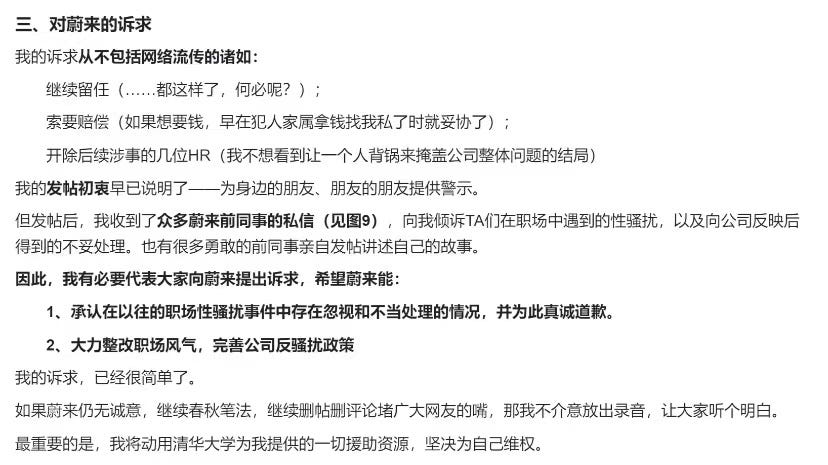
The former intern started a new account on Xiaohongshu because her old one got deleted, and made her demands clear: she’s not asking to stay at NIO, she doesn’t want to ask for money, nor does she want HR to lose his/her job.
What she wants is for the company to apologize and improve the internal system to deal with sexual harassment. Honestly, isn't this the very least that the company should do?
The larger picture: It’s not the only PR crisis that NIO has recently. Just before Valentine’s this year, a potential customer in Shanghai hit a mother and a son while testing driving, and the mother died.
For the intern’s case, some Weibo users recalled how ‘cold-blooded’ NIO was in reacting to the deaths of two test drivers last June. Back then, the company said “it had nothing to do with the cars’ quality” in its initial response and then morphed to a more compassionate tone as a result of public scrutiny.

2. A postmortem of China’s largest crypto scam 💸
An elderly who didn’t know how to use smartphones, a janitor who didn’t graduate primary school, a retired teacher, these are the victims of a 2020 rug pull of crypto investment app Mark in Suichang, a county in southwestern Zhejiang Province, per a 36Kr investigation.
The team behind Mark reaped a whopping 180 billion yuan (US$25.9 billion) across China, and it perhaps partially triggered Beijing to fully ban all crypto transactions in 2021.
What the scammers do have caused consequences — in a way, much like what former execs at Luckin Coffee did to Chinese companies seeking IPO with fabricated transactions — regulators have been relevant technology and applications closely, and the case also tainted the name of crypto and fed into the public’s perception of a volatile asset that’s likely to be a scam.

3. China’s answers to Dungeons & Dragons 🎲
I absolutely hate Live Action Role Playing games, a popular pastime for young people to spend a weekend afternoon, in which they find out who’s who alongside a script guide at a business establishment. During that one time that I played, I found the script ridiculous (it was about spying around as a communist party member) and the whole thing a complete waste of time.
I could be spending those three hours getting to know these people I hung out with better, and engaged in an emotionally connected conversation. Instead, we were in a window-less, airtight room, saying random things that have no meaning whatsoever. What for?
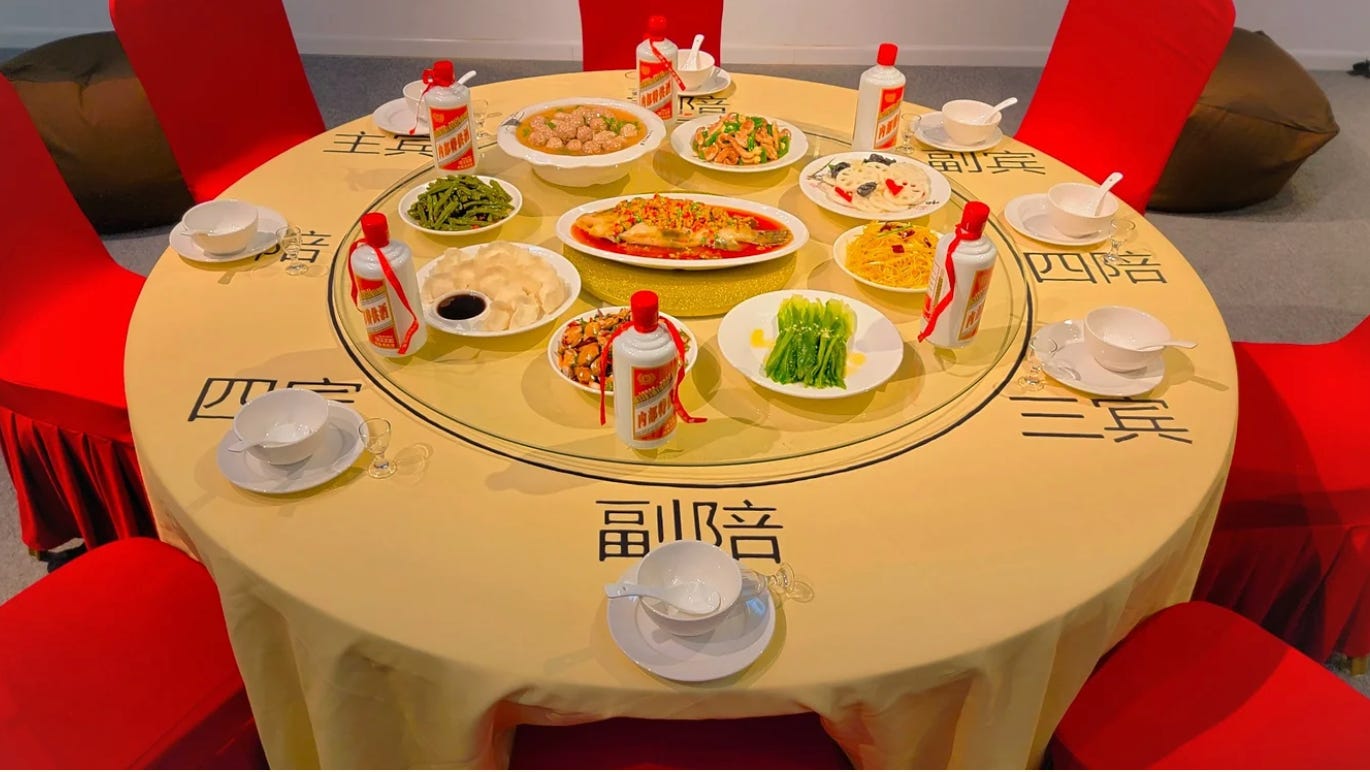
But the trend about Tabletop Role Playing games (the most famous one must be D&D) seems a lot more interesting. For example, this one that mocks the banquet drinking culture in northern Shangdong province looks super fun. The creator Chen Gaoyuan hated the traditional drinking culture, which is essentially a game of power, and wanted his peers to see how absurd it is. I’m in!
From a business perspective, LARP establishment owners may be relieved that TRPG is here. With increased censorship since last June on the game scripts and a lacking of exciting new scripts, will young people come back if the game allows more creativity and freedom?
What else I’m reading:
A group interview with four consumer investors from GenBridge Capital, Tomato Capital, Harvest Capital and Challenjers Venture on where China’s consumer markets are going 36Kr Future Consumption, tech publication 36Kr’s consumer vertical
The burst of the bubble of animal healthcare as Ruipeng Pet (with investors like Nestle and Tencent) put a hold on its Nasdaq IPO Big Wave, a WeChat business publication
Some homegrown brands including AIMA are making mopeds cool again, but what’s really making them popular is Sanlian Life Lab

Sanlian Life Lab said that the latest core users of mopeds are young women in lower-tier cities. Image source: Sanlian